
The most basic introduction to the GameSalad interface. Students start with a pre-built game and use existing actors to construct their own levels.
GameSalad curriculum
Step-by-step game creation tutorials, each paired with a standards-aligned computer science unit.
Request a quote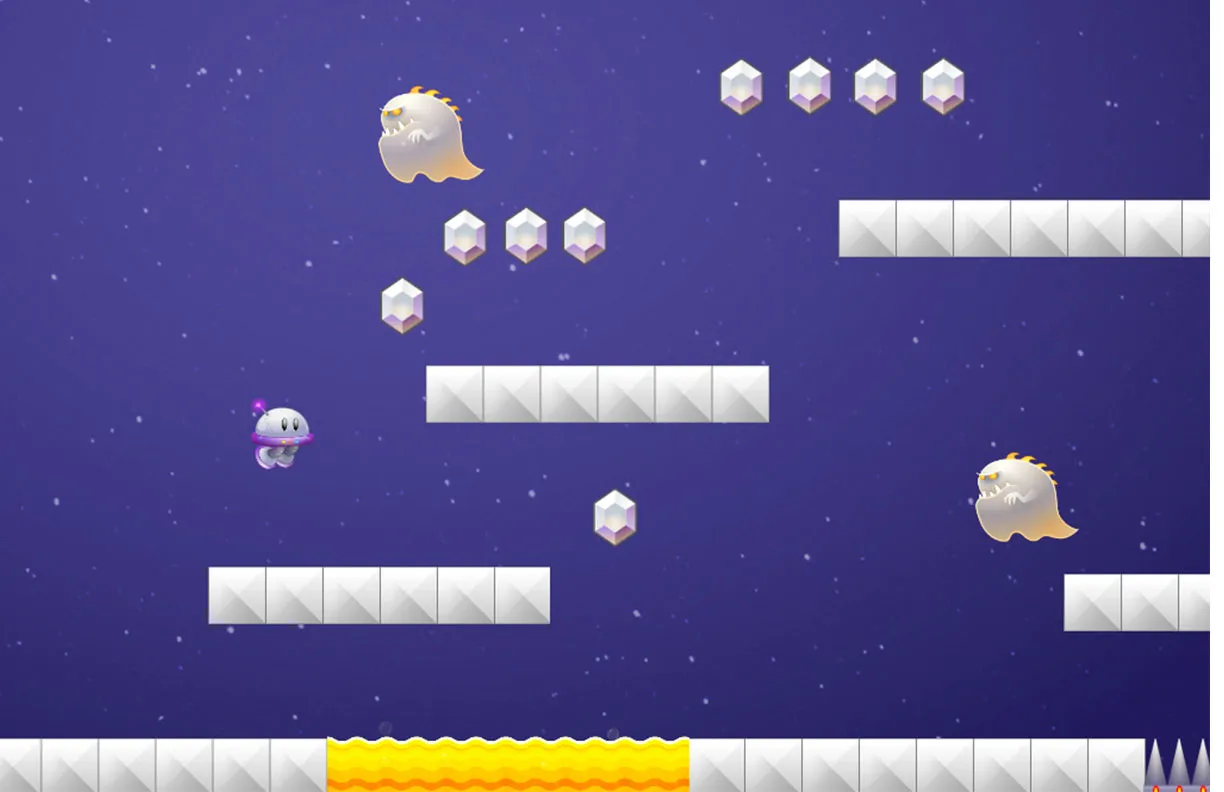
In GameSalad Creator, students build their own working games. The syntax-free visual programming system lowers frustration and keeps students engaged.
Detailed step-by-step tutorials are built into the platform, with videos, written directions, and screenshots for different learning styles. Every game is customizable, so each student can express their own vision.
The project-based units grow in complexity, so GameSalad fits classrooms of any level. Units are divided into bite-sized pieces, so you control the pace.
For teachers
Standards-aligned lesson plans
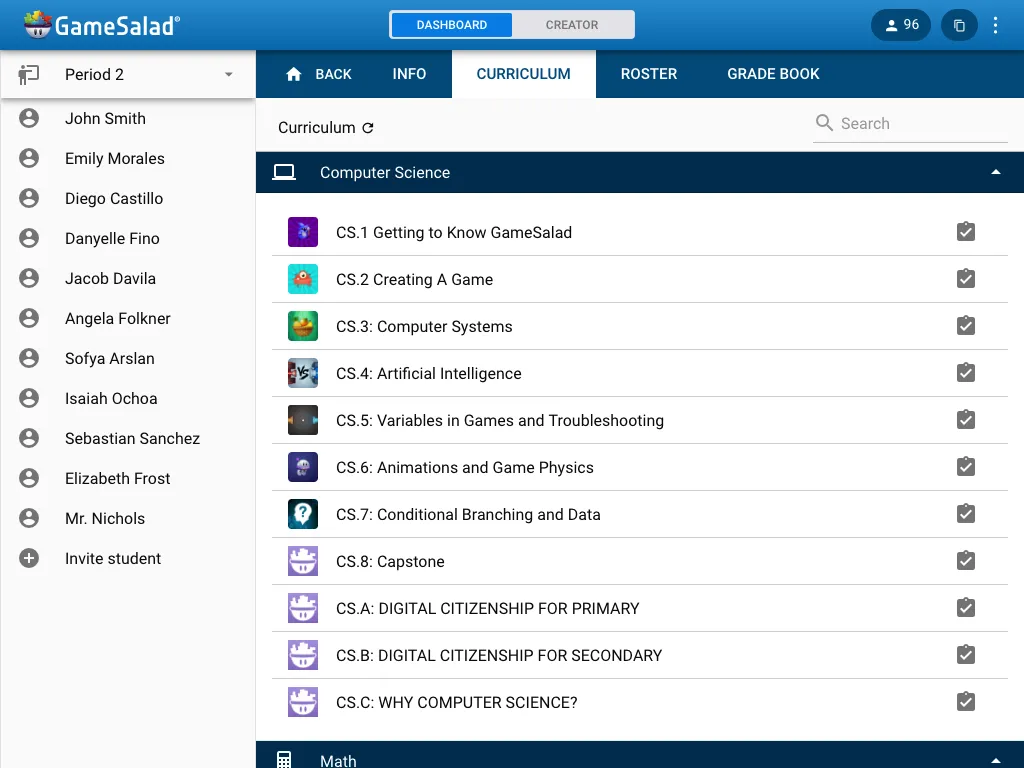
Each game tutorial is paired with a computer science unit of up to 10 hours of instruction. The teacher dashboard lets you assign tutorials and quizzes, see student progress, and open every lesson plan.
Lessons are aligned to CSTA (grades 3–8) and TEKS Technology Applications standards, covering computer science fundamentals plus game design, networking, and digital citizenship. Use the whole curriculum as the basis of your class, or pick from teacher-led activities, assessments, and lectures.
Computer science units
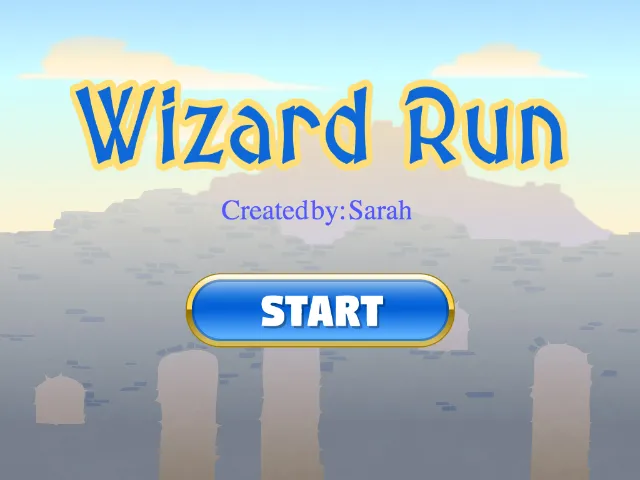
CS.1 Getting to Know GameSalad
Wizard Run
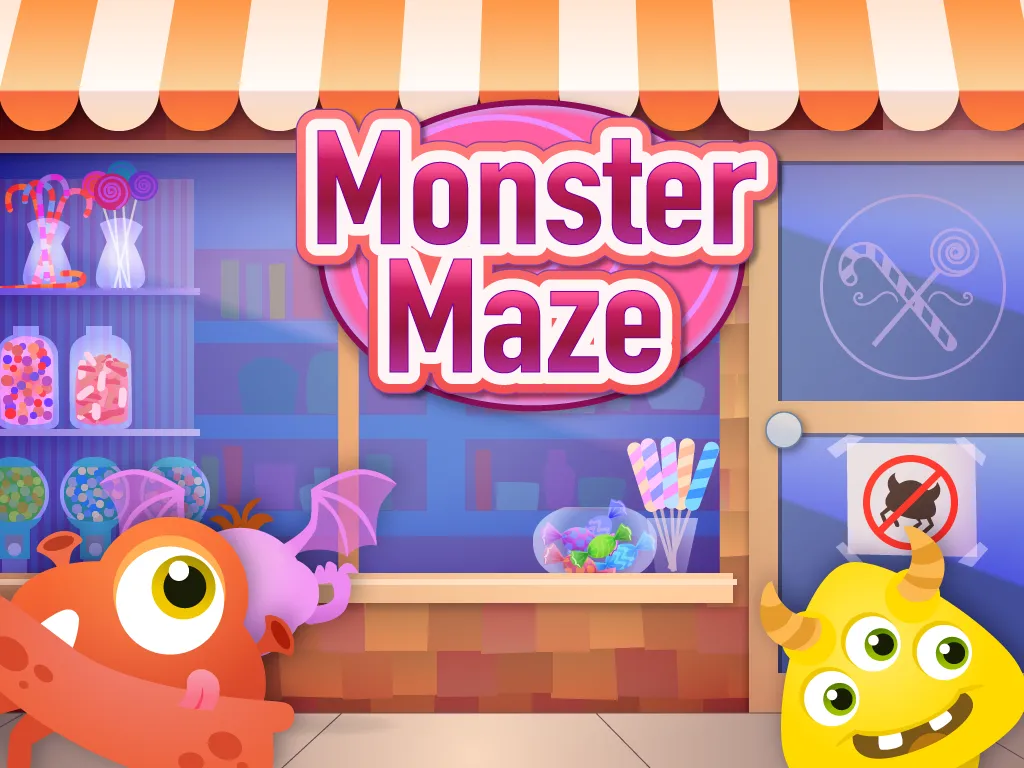
CS.2 Creating a Game
Monster Maze
The basics of the GameSalad interface and the foundations of a game: user input, actor movement, collision, object collection, and victory and failure conditions.
CS concepts: Conditional statements, Algorithms, Variables
CS.3 Computer Systems
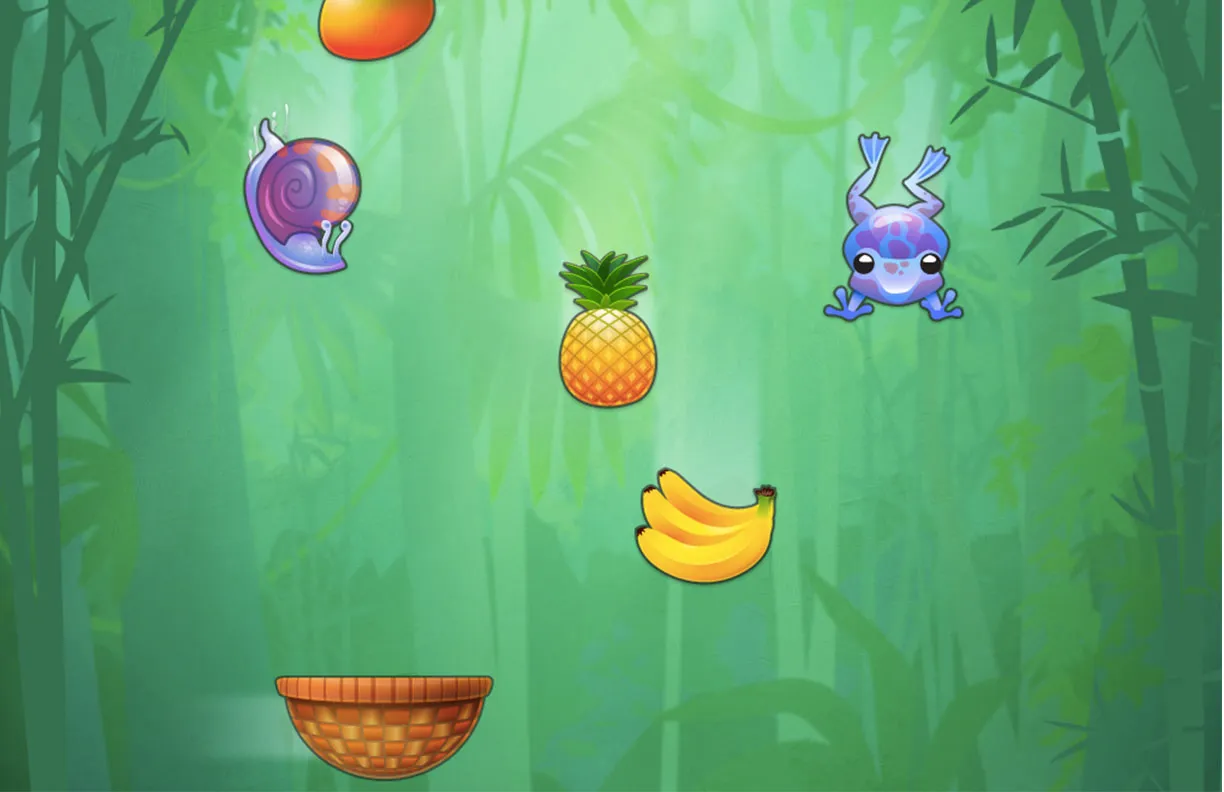
Fruit Fall
Introduces object-oriented programming through random object spawners, logic that runs off-screen, and user interface design across devices.
CS concepts: Object-oriented design, User interface design, Random functions, Hardware sensors
CS.4 Artificial Intelligence
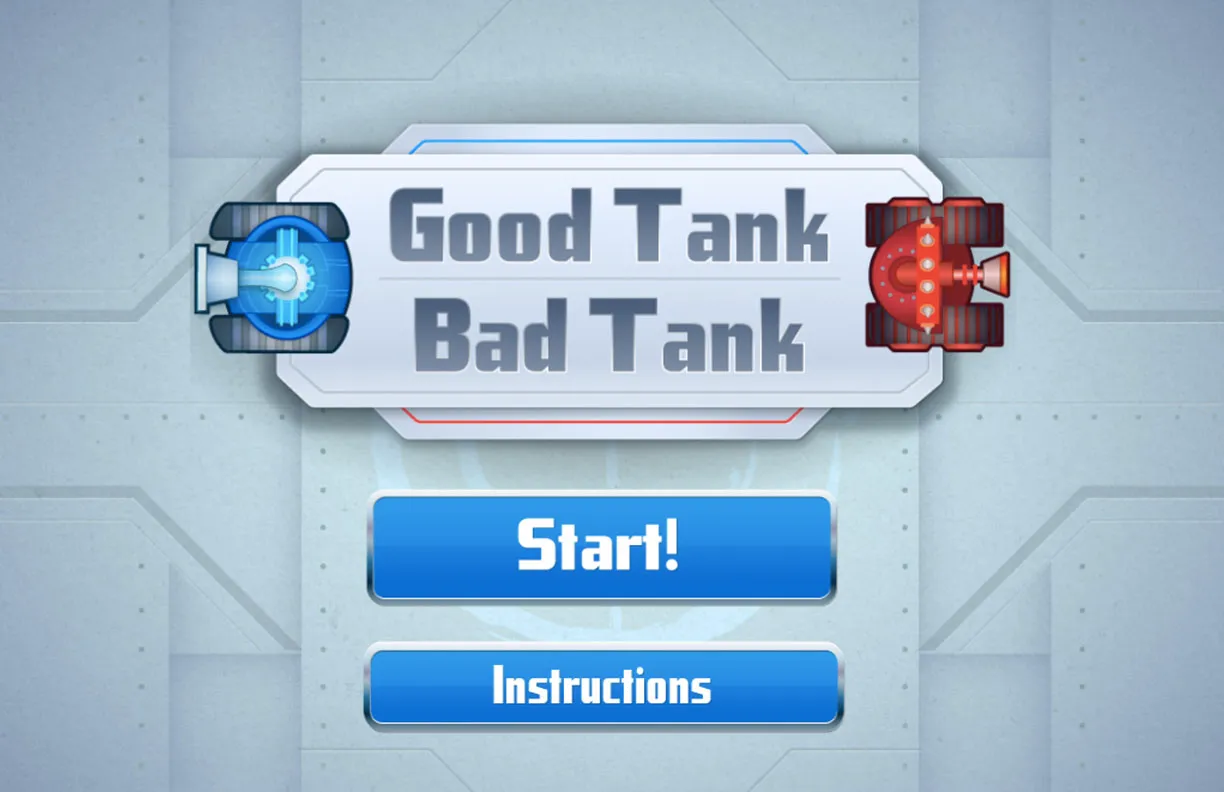
Good Tank, Bad Tank
More sophisticated game development: object spawning, attribute constraints, and basic AI-driven enemies.
CS concepts: Mathematical expressions, Looping, Game AI
CS.5 Variables in Games and Troubleshooting
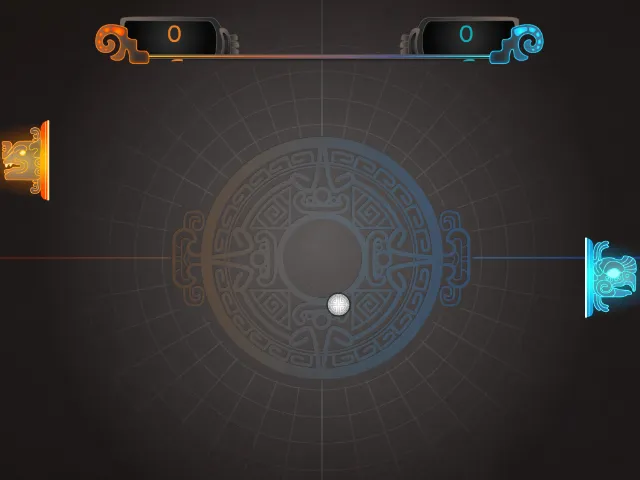
Pong
Spawning, scoring, and more complex AI logic through building the classic game Pong.
CS concepts: Spawning, Game AI, Physics
CS.6 Animations and Game Physics
Space Runner
Physics simulation, particle systems, animation control, and platformer mechanics such as running, jumping, and object collection.
CS concepts: Animation systems, Particles, Looping, Physics
CS.7 Conditional Branching and Data
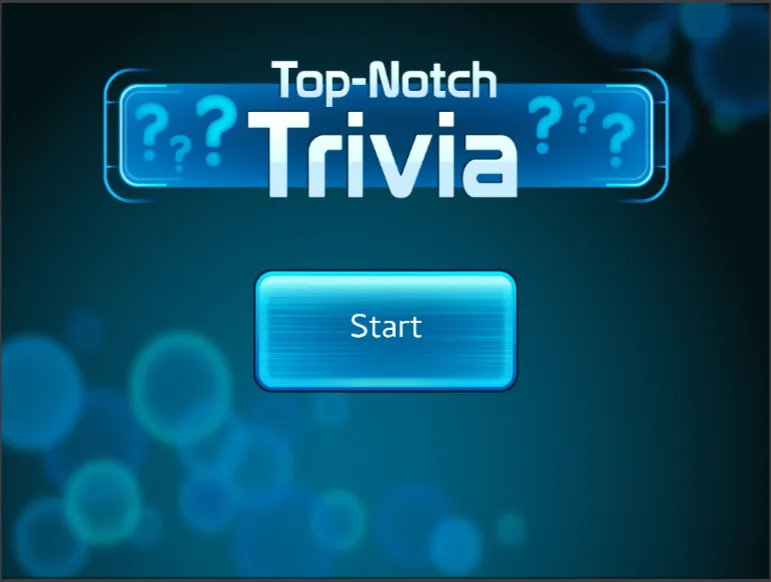
Top-Notch Trivia
Conditional branching and multidimensional arrays (GameSalad tables) in a quiz game that inspires creativity.
CS concepts: Data-driven programming, Variable scoping, Data structures
Bring the GameSalad curriculum to your school
See it in action and get pricing for your classroom or district.
Request a quote