
The basics of the GameSalad interface and the foundations of a game: user input, actor movement, collision, object collection, and victory and failure conditions.
CS concepts: Conditional statements, Algorithms, Variables
CS.3 Computer Systems
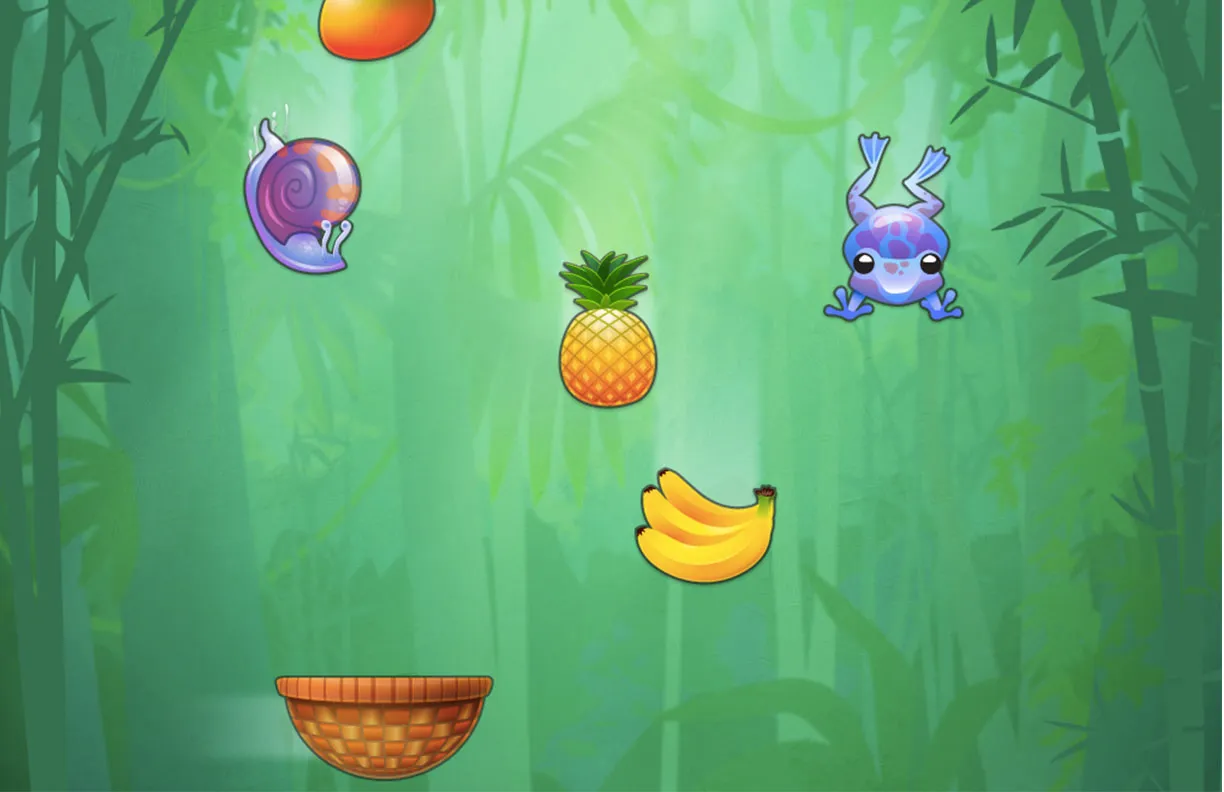
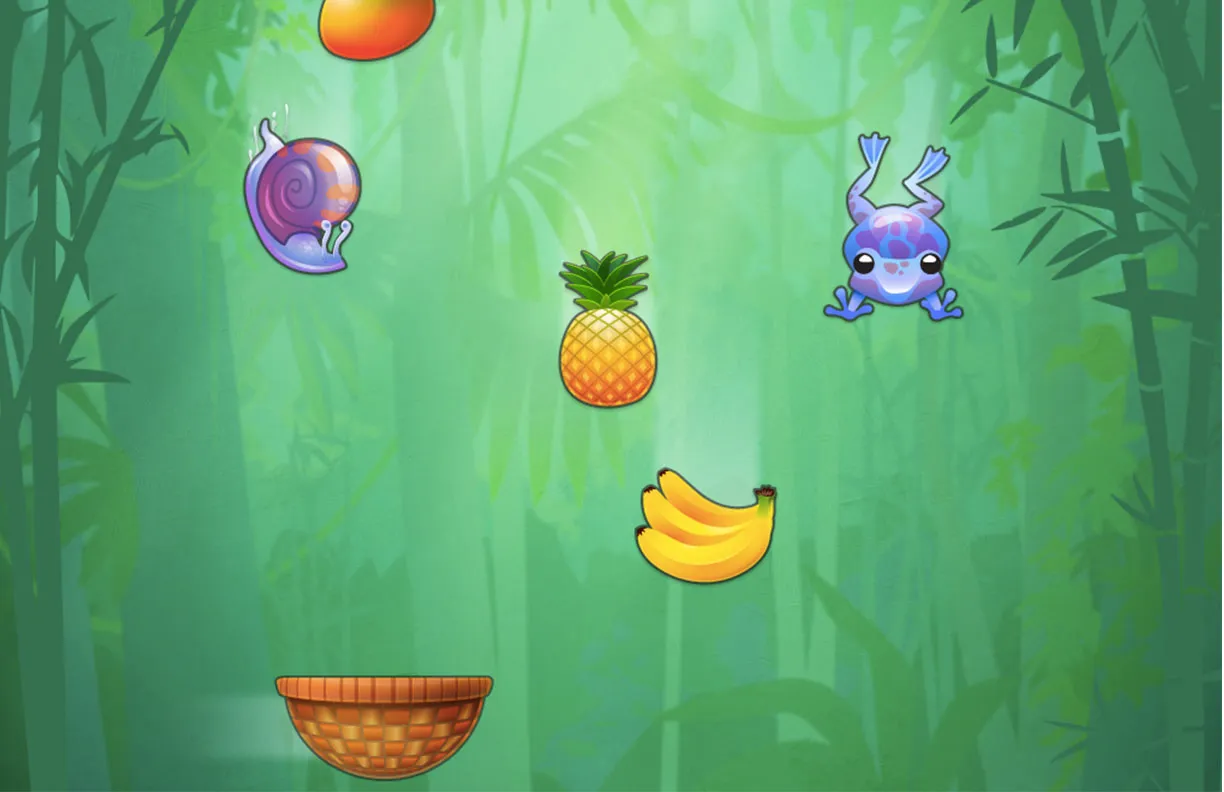
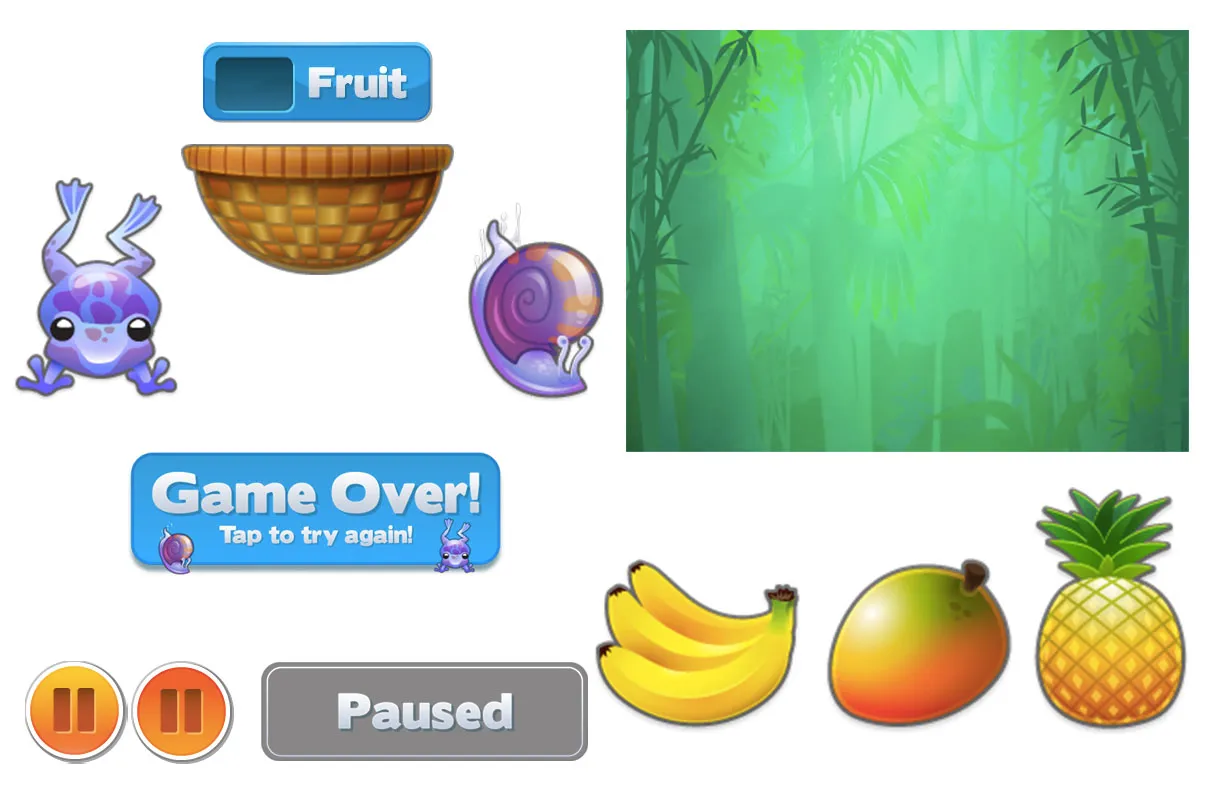
While its game mechanics appear simple, “Fruit Fall” introduces object-oriented programming through random object spawners, the design challenges of logic and behaviors that take place off-screen, and user interface design across multiple device platforms and the affordances each device offers.
The unit is designed for ten 1-hour classes and includes a detailed student guide, educator guide, deliverable checklist, rubric, assessment, finished game project, and all image and sound assets needed to create the ‘Fruit Fall’ game.
CS concepts: Object-oriented design, User interface design, Random functions, Hardware sensors
CS.2 Creating a Game
The basics of the GameSalad interface and the foundations of a game: user input, actor movement, collision, object collection, and victory and failure conditions.
CS concepts: Conditional statements, Algorithms, Variables
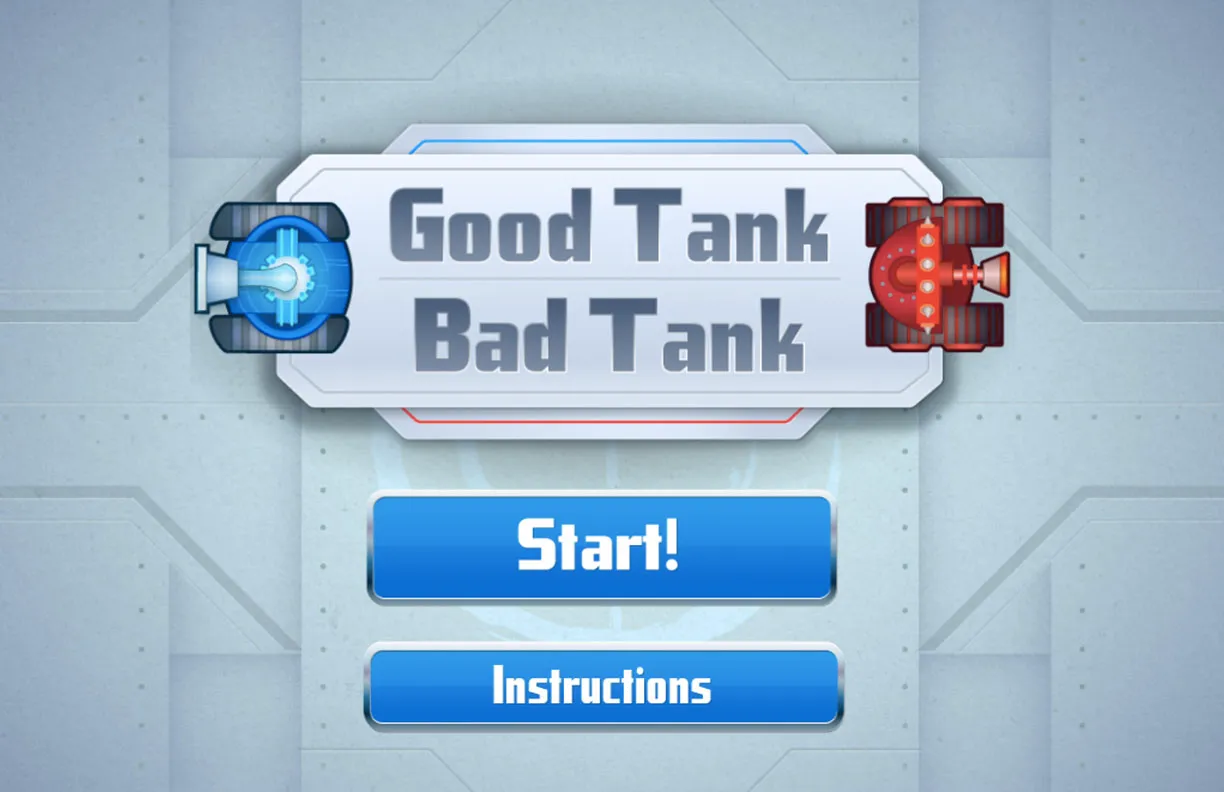
CS.4 Artificial Intelligence
More sophisticated game development: object spawning, attribute constraints, and basic AI-driven enemies.
CS concepts: Mathematical expressions, Looping, Game AI
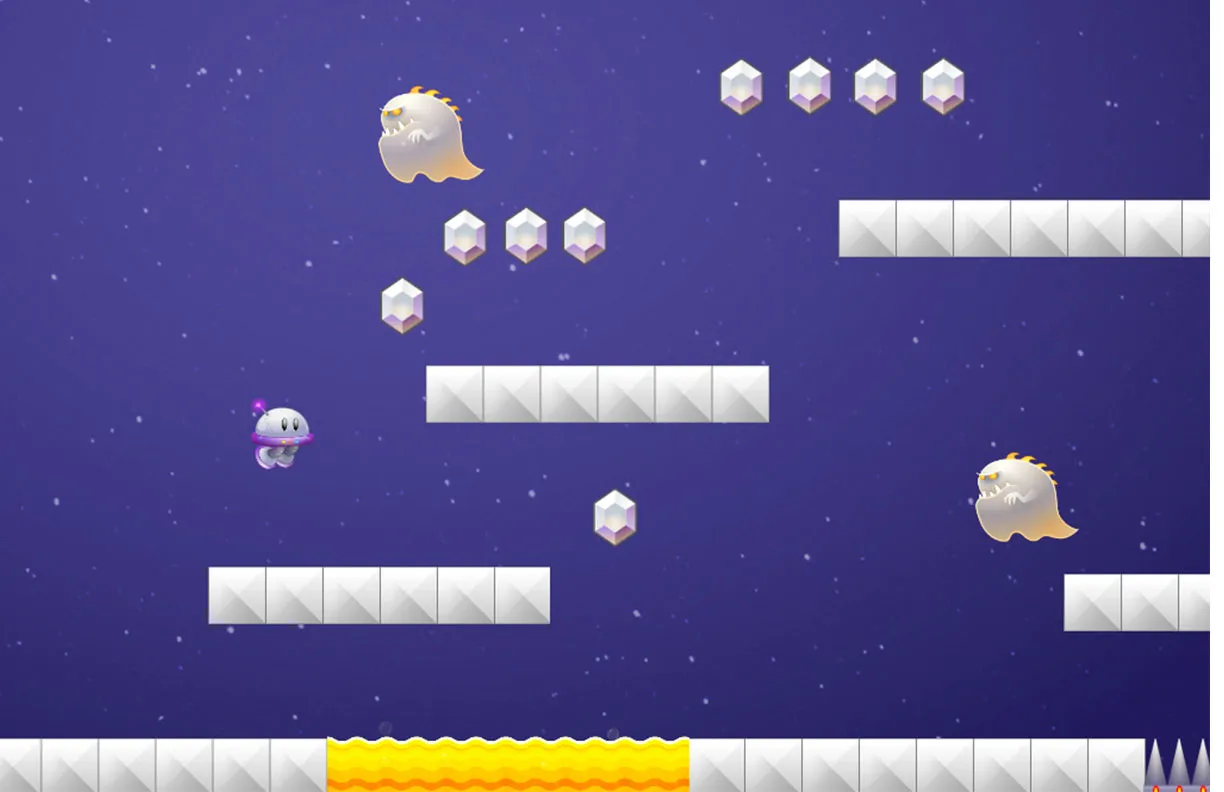
CS.6 Animations and Game Physics
Physics simulation, particle systems, animation control, and platformer mechanics such as running, jumping, and object collection.
CS concepts: Animation systems, Particles, Looping, Physics
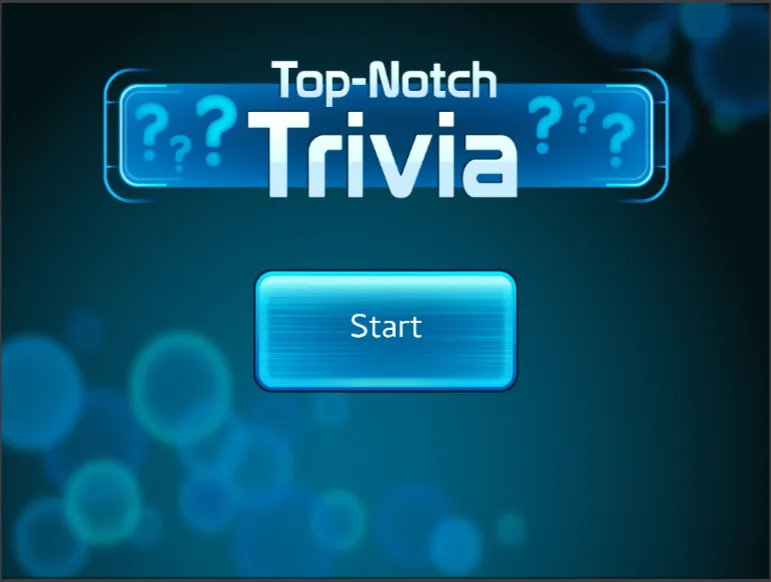
CS.7 Conditional Branching and Data
Conditional branching and multidimensional arrays (GameSalad tables) in a quiz game that inspires creativity.
CS concepts: Data-driven programming, Variable scoping, Data structures
Get the full unit, the teacher dashboard, and pricing for your school.
Request a quote